Every day in Georgia, families are shattered by drunk drivers. When that 18-wheeler crosses the centerline, when that sedan runs a red light reeking of alcohol, your world changes in an instant. The physical injuries are only the beginning—what you do in the hours after the crash determines whether you'll receive fair compensation or be left fighting insurance companies alone. Understanding these three critical steps isn't just helpful advice. It's the difference between protecting your future and losing rights you didn't know you had.
Step 1: Prioritize Safety and Get Medical Attention Immediately
Your safety—and the safety of everyone at the scene—comes first. Call 911 immediately to request both medical assistance and police response. If it's safe to do so, move your vehicle out of active traffic to prevent additional collisions.
Critical Warning
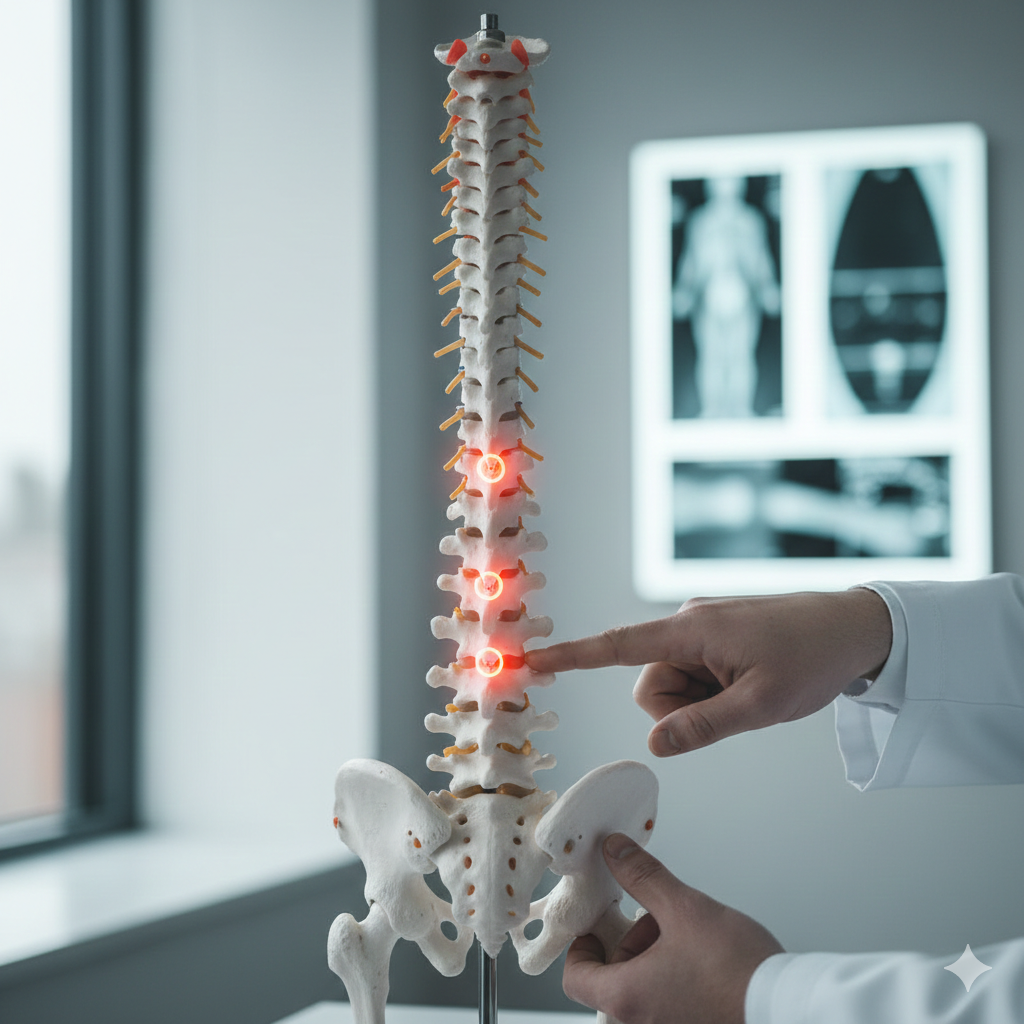
Never assume your injuries are minor just because you "feel fine." Adrenaline masks pain. Serious injuries like internal bleeding, concussions, and spinal damage may not show symptoms for hours or even days. What feels like a minor ache today can be permanent disability tomorrow.
Even if you believe you're uninjured, see a doctor the same day. A medical professional can identify hidden injuries and begin treatment early—which often leads to better outcomes. Just as importantly, this medical documentation becomes crucial evidence if you need to file a claim.
What to Tell Your Doctor
- Describe every symptom, no matter how minor it seems
- Mention if the other driver appeared intoxicated
- Request copies of all medical records and bills
- Follow all treatment recommendations exactly
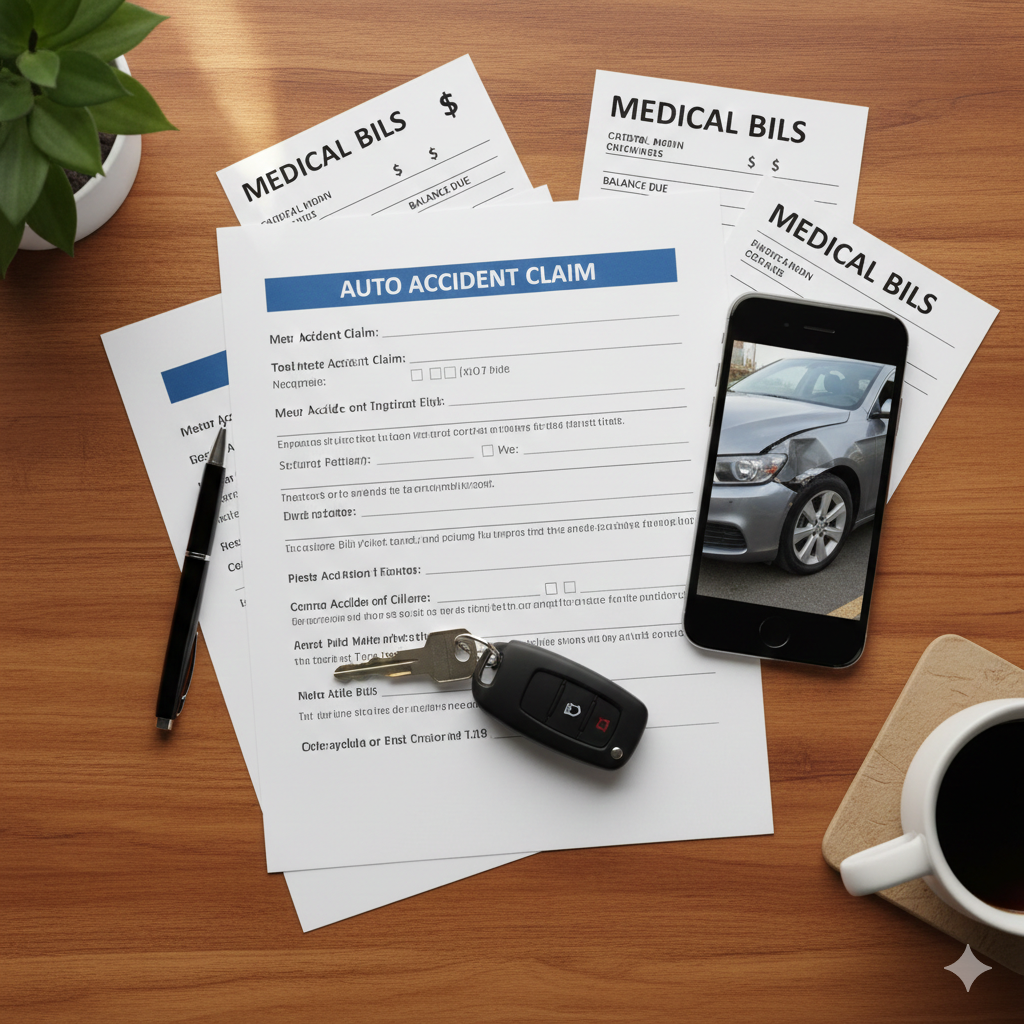
Keep every receipt, every appointment record, every prescription. These documents prove the extent of your injuries and the cost of your care. Insurance companies will scrutinize your medical treatment—gaps in care or delayed treatment give them ammunition to deny your claim.
Step 2: Document Everything at the Scene
While you wait for emergency responders, if you're physically able, gather as much evidence as possible. The more documentation you have, the stronger your case becomes. Evidence disappears quickly—skid marks fade, witnesses leave, and memories blur.
Use Your Phone to Photograph:
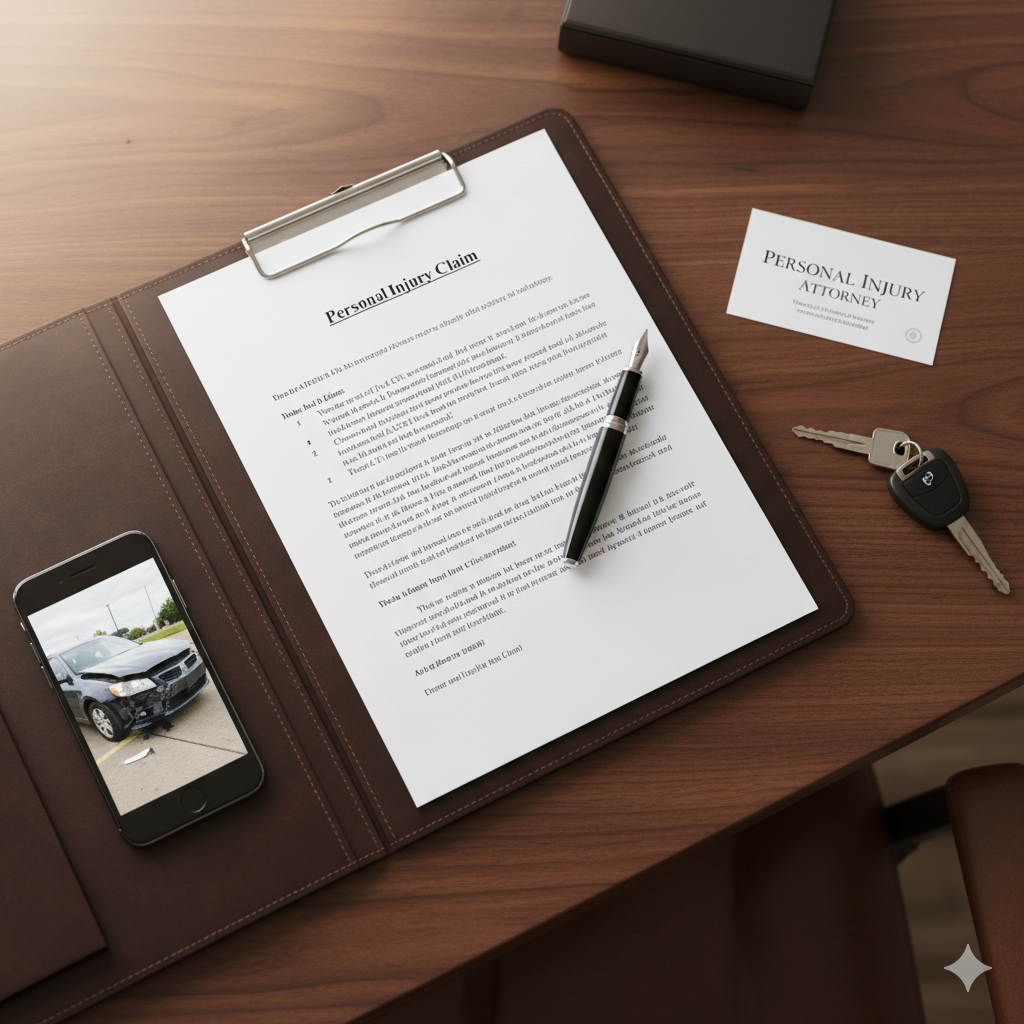
- All vehicle damage from multiple angles
- The accident scene including skid marks, debris, road conditions, and traffic signs
- Any visible injuries you've sustained
- The other driver if they appear intoxicated (slurred speech, unsteady gait, bloodshot eyes)
- License plates of all vehicles involved
Collect Contact Information From:
- The other driver (name, phone number, address, insurance details)
- Any witnesses who saw the accident occur
- The responding police officers (get the incident report number)
Critical Step
Tell the police officer you suspect the other driver is intoxicated. This ensures they conduct sobriety tests and document intoxication in the official report—evidence that dramatically strengthens your claim and can lead to criminal charges against the driver.
Be observant. Does the other driver smell like alcohol? Are they slurring their words or struggling to stand? Are there open containers in their vehicle? These details matter. Share them with the officer and write them down for your own records immediately while your memory is fresh.
Dealing with Insurance Companies After a DUI Accident?
Drunk driving cases involve complex liability issues and aggressive insurance tactics. Our experienced legal team handles negotiations so you can focus on healing.
Get Your Free Case ReviewStep 3: Focus on Your Recovery (And Document Everything)
After a drunk driving accident, your physical and emotional recovery should be your top priority. This isn't just about healing—it's about protecting your legal rights and building the strongest possible case for compensation.
Follow Your Treatment Plan Exactly
Attend every medical appointment. Take medications as prescribed. Complete your physical therapy. If you skip treatments or ignore your doctor's orders, insurance companies will argue your injuries aren't serious. They'll claim you're exaggerating or that gaps in treatment mean you've recovered.
This is a deliberate strategy insurance adjusters use to minimize payouts. Don't give them ammunition. Your consistent medical care becomes the foundation of your injury claim.
Keep a Detailed Recovery Journal
Document your daily experience in writing:
- Pain levels throughout the day (use a 1-10 scale)
- Activities you can no longer do (work, hobbies, household chores)
- Sleep disruptions and emotional struggles (anxiety, depression, fear of driving)
- Work days missed and income lost
- How injuries affect your relationships and daily life
This journal becomes powerful evidence of your suffering—evidence that translates directly into compensation. Pain and suffering damages aren't just about medical bills. They're about the life you've lost.
Don't Face This Alone
Drunk driving accidents are traumatic. The physical injuries are only part of the story. Many victims experience anxiety, depression, PTSD, or fear of driving. These emotional wounds are real, and they deserve recognition and compensation.
Reach out to friends, family, or a therapist. Professional counseling isn't weakness—it's part of comprehensive recovery. And like your physical treatment, these sessions should be documented as part of your injury claim.
32%
of all traffic fatalities in Georgia involve alcohol-impaired drivers
— Georgia Governor's Office of Highway Safety, 2023
Why Drunk Driving Cases Are Different
When a drunk driver causes your injuries, you're not just dealing with a regular car accident. Georgia law recognizes the severity of impaired driving, which fundamentally changes the legal landscape:
- Punitive damages may be available — You can seek compensation that goes beyond just covering your losses, punishing the drunk driver for their reckless choice and deterring future drunk driving
- Criminal charges strengthen your civil case — If the driver is arrested for DUI, that criminal conviction makes proving liability much easier in your civil lawsuit
- Multiple parties may be liable — In some cases, the bar or restaurant that overserved the driver can also be held accountable under Georgia's dram shop laws
- Insurance companies fight harder — Insurers know drunk driving cases can result in large payouts, so they'll aggressively try to minimize your claim or deny it entirely
Legal Advantage
Drunk driving cases carry higher compensation potential because juries are rightfully outraged by impaired driving. The voluntary choice to drive drunk—knowing the risks—makes these cases particularly strong for victims seeking justice.
This is why having experienced legal representation matters so much in drunk driving cases. The stakes are higher, the evidence is more complex, and the insurance tactics are more aggressive. You need attorneys who understand trucking regulations, toxicology reports, accident reconstruction, and how to prove negligence in DUI cases.
You Deserve Justice—And Full Compensation
Being injured by a drunk driver isn't your fault. You were following the rules. You were driving safely. Someone else's irresponsible decision has now upended your life, left you with mounting medical bills, forced you to miss work, and caused pain that may never fully heal.
You shouldn't have to bear the financial burden of someone else's crime. Medical bills, lost wages, pain, suffering, permanent disabilities, and the emotional trauma of being victimized—you deserve compensation for all of it.
But insurance companies don't make this easy. They'll try to minimize your injuries, question your treatment, blame you for the accident, and pressure you to accept far less than your case is worth. They have teams of lawyers and adjusters whose job is to pay you as little as possible.
That's why having a reliable legal team in your corner isn't optional—it's essential. We've handled hundreds of drunk driving cases. We know the tactics insurers use. We know how to prove intoxication, establish liability, and fight for maximum compensation.
Injured by a Drunk Driver? We're Here to Help.
Schedule Your Free ConsultationNo obligation. No upfront costs. We only get paid when you do.