Being involved in a car accident is stressful enough. Then comes the insurance company—with their lowball offers, endless paperwork, and pressure tactics designed to minimize what they pay you. The truth is, insurance companies are businesses focused on protecting their bottom line, not yours. But knowing the right strategies can level the playing field and help ensure you receive the fair compensation you deserve.
1. Document Everything—Before You Even Call
The moments after an accident are critical. Your documentation will become the foundation of your claim, and insurance companies will scrutinize every detail.
At the scene, capture:
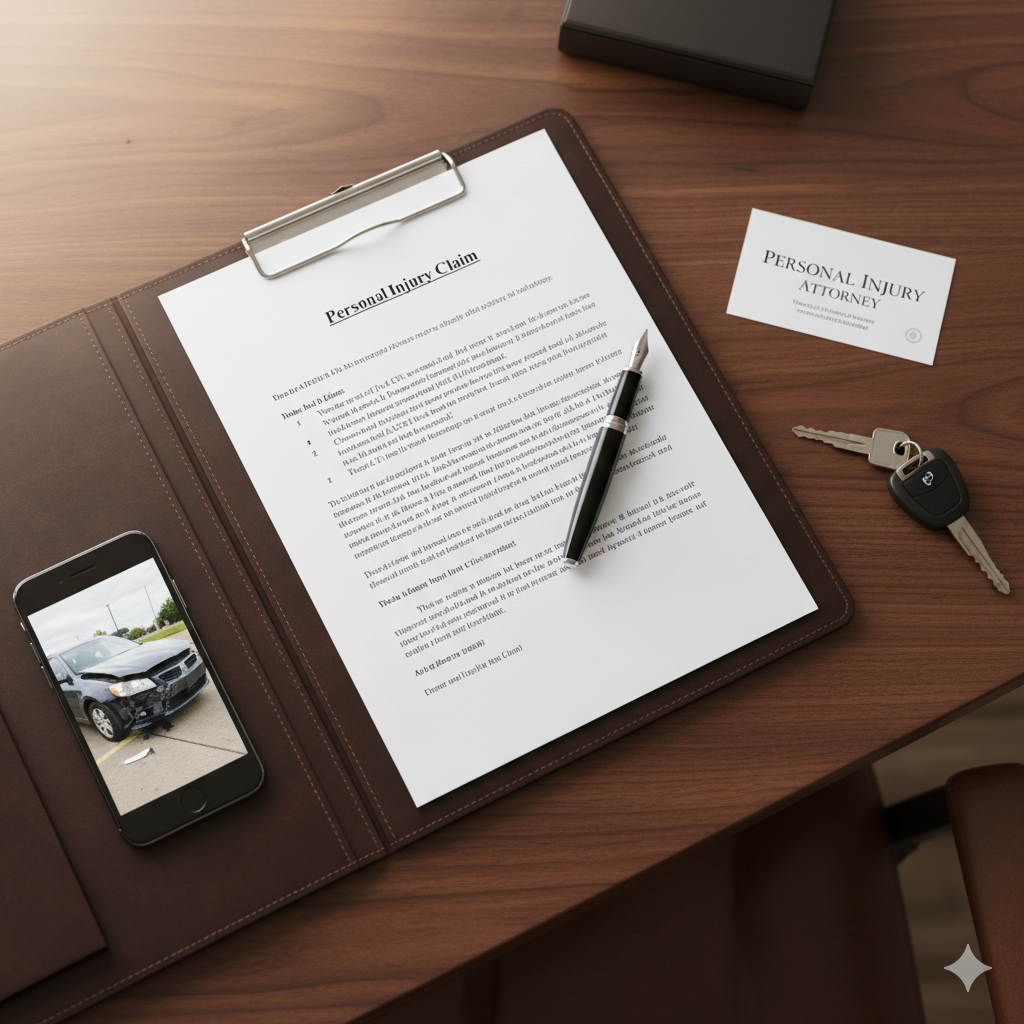
- Photos of all vehicle damage from multiple angles
- Road conditions, weather, traffic signs, and skid marks
- The other driver's license, insurance card, and contact information
- Witness names and phone numbers
- The exact location and time of the accident
After the scene, track everything:
- Medical appointments, diagnoses, and treatment plans
- All bills related to the accident—medical, repair, rental car, prescriptions
- Lost wages if you missed work
- Every phone call, email, and letter with the insurance company (dates, names, what was discussed)
- A pain journal documenting how injuries impact your daily life
Your insurance provider will request this information when you contact them. Having it organized from day one speeds up your claim and prevents critical details from being forgotten.
2. Notify Your Insurance Provider Promptly (But Strategically)
Most insurance policies require you to report accidents within a specific timeframe—often 24 to 72 hours. Missing this deadline can jeopardize your entire claim.
When you report the accident:
- Stick to the facts—date, time, location, what happened
- Don't speculate about fault or admit blame
- Don't downplay injuries ("I feel fine") even if adrenaline is masking pain
- Ask for the claim number and adjuster's contact information
Providing timely and accurate information prevents delays, but remember: you're under no obligation to give a detailed recorded statement immediately. In fact, doing so before understanding the full extent of your injuries can hurt your case.
3. Understand Your Policy—Knowledge Is Power
Insurance policies are intentionally complex. Companies count on you not reading or understanding them.
Review your policy to understand:
- Your coverage limits: What's the maximum they'll pay for property damage, medical expenses, and liability?
- Your deductible: How much you'll pay out of pocket before insurance kicks in
- Uninsured/underinsured motorist coverage: Protection if the at-fault driver has inadequate insurance
- Personal injury protection (PIP): Covers medical expenses regardless of fault
- Time limits: Deadlines for filing claims and lawsuits
Knowing your policy empowers you to advocate for yourself and ensures the insurance company fulfills its obligations—not just the bare minimum.
Not Sure If Your Settlement Offer Is Fair?
Insurance companies count on accident victims accepting lowball offers. Our attorneys review your policy and settlement to ensure you're getting what you actually deserve—not what they want to pay.
Get a Free Case Review4. Be Careful What You Say—They're Looking for Reasons to Deny
Insurance adjusters are trained to minimize payouts. Every word you say can—and will—be used to reduce or deny your claim.
Common traps to avoid:
- "I'm fine" or "I feel okay" → Many injuries (whiplash, concussions, soft tissue damage) don't show symptoms for days or weeks. This statement can be used to deny future medical claims.
- "It was partially my fault" → Never admit fault, even partially. Let investigators determine liability.
- "I didn't see the doctor right away" → Delaying medical care can be twisted to suggest your injuries aren't serious.
- Exaggerating or downplaying injuries → Be honest, but don't minimize pain to seem tough or inflate symptoms for sympathy. Both hurt your credibility.
Insurance companies often request recorded statements within days of the accident. You are not legally required to provide one to the other driver's insurance company. These statements are designed to lock you into a version of events before you fully understand your injuries or damages.
If asked for a recorded statement, politely decline until you've consulted with an attorney—especially if the accident involves significant damages or injuries.
5. Don't Accept the First Settlement Offer—It's Almost Always Too Low
Insurance companies have one goal: close your claim as quickly and cheaply as possible.
The cost of a collision can be significant. According to recent data, claims for property damage alone averaged $6,551 in 2022, while claims involving injuries added up to an average of $26,501.
$26,501
Average cost of injury claims in 2022
— Insurance industry data
Despite these figures, insurance companies often make lowball initial offers within days of the accident—before you know the full extent of your injuries, before you've completed treatment, and before you understand the long-term impact on your life.
Why first offers are almost always too low:
- They don't account for future medical treatment
- They undervalue pain and suffering
- They ignore long-term impacts like chronic pain or lost earning capacity
- They assume you don't know what your claim is actually worth
- They bank on your financial desperation to accept quickly
You have the right to obtain a fair settlement that adequately addresses all your expenses and damages—not just the immediate, obvious ones. Don't let pressure tactics or artificially tight deadlines rush you into accepting less than you deserve.
6. Seek Legal Guidance—Level the Playing Field
Insurance companies have teams of lawyers, adjusters, and investigators working to minimize what they pay you. You deserve the same level of representation.
Having a skilled attorney by your side fundamentally changes the dynamic. Studies consistently show that accident victims represented by attorneys receive significantly higher settlements than those who go it alone—often 3 to 4 times more, even after legal fees.
What a qualified attorney does for you:
- Accurately calculates the true value of your claim (including future costs you may not have considered)
- Handles all communication with insurance adjusters so you don't say anything that hurts your case
- Investigates the accident thoroughly, gathering evidence the insurance company won't
- Negotiates aggressively for maximum compensation
- Takes your case to court if the insurance company refuses to offer a fair settlement
- Protects you from predatory tactics designed to get you to settle for less
The insurance company has lawyers protecting their interests. Shouldn't you?
Dealing with insurance companies after a car accident can be challenging, but taking the right steps ensures you manage the situation effectively and get the financial support you need.
Don't navigate this process alone. The insurance company certainly isn't.
Been in an Accident? Don't Face the Insurance Company Alone
Schedule Your Free ConsultationNo obligation. No upfront costs. We only get paid when you do.