Every day in Athens, you navigate streets crowded with cars, bicycles, scooters, and pedestrians. Near college campuses, downtown businesses, and busy residential areas, the risk of collision increases with every distracted glance at a phone or rushed turn through an intersection. Even a split-second lapse in attention can change lives forever. Understanding where and how these accidents happen isn't just useful information—it could save you from serious injury or help you protect your legal rights if the worst occurs.
Why Shared Roads Create Perfect Conditions for Accidents
The danger isn't just from inattentive drivers. Cyclists weaving between cars, scooter riders darting onto sidewalks, pedestrians stepping into traffic without warning—any one of these can trigger a collision. In areas where bike lanes are limited or nonexistent and vehicle traffic is heavy, the margin for error shrinks to almost nothing.
The problem intensifies during peak hours when everyone's rushing. A driver checking their phone for two seconds. A cyclist assuming a car sees them. A pedestrian trusting that "WALK" signal means they're safe. Each assumption becomes a potential accident waiting to happen.
Recognizing these hazards before they become emergencies is your first line of defense. Once you know what to watch for, you can stay alert and ready to respond—and potentially avoid becoming a statistic.
The Four Most Common Ways Shared Road Accidents Happen
Understanding accident patterns helps you anticipate danger before it strikes. These four scenarios account for the majority of pedestrian and cyclist injuries in Athens:
1. Intersection Collisions: The Right-Turn Trap
A driver approaches a red light, slows down, and makes a right turn on red—without checking for pedestrians already in the crosswalk or cyclists coming through the intersection. This "looked but didn't see" phenomenon causes countless preventable injuries every year. Vehicles turning without noticing pedestrians or cyclists create the most dangerous moments at Athens intersections.
2. Side-Impact Crashes: The Blind Spot Problem
Cars changing lanes suddenly or failing to check blind spots create unavoidable hazards. A door opening into a bike lane. A vehicle merging without looking. Cyclists have seconds—sometimes less—to react, and the results are often devastating.
3. Sidewalk and Bike Lane Violations
Cyclists or scooter riders riding in prohibited areas or not signaling create unpredictable situations. Pedestrians don't expect to dodge bicycles on sidewalks. Drivers don't anticipate vehicles appearing from unexpected directions. These violations turn predictable spaces into danger zones.
4. Distracted Driving Incidents: The Two-Second Mistake
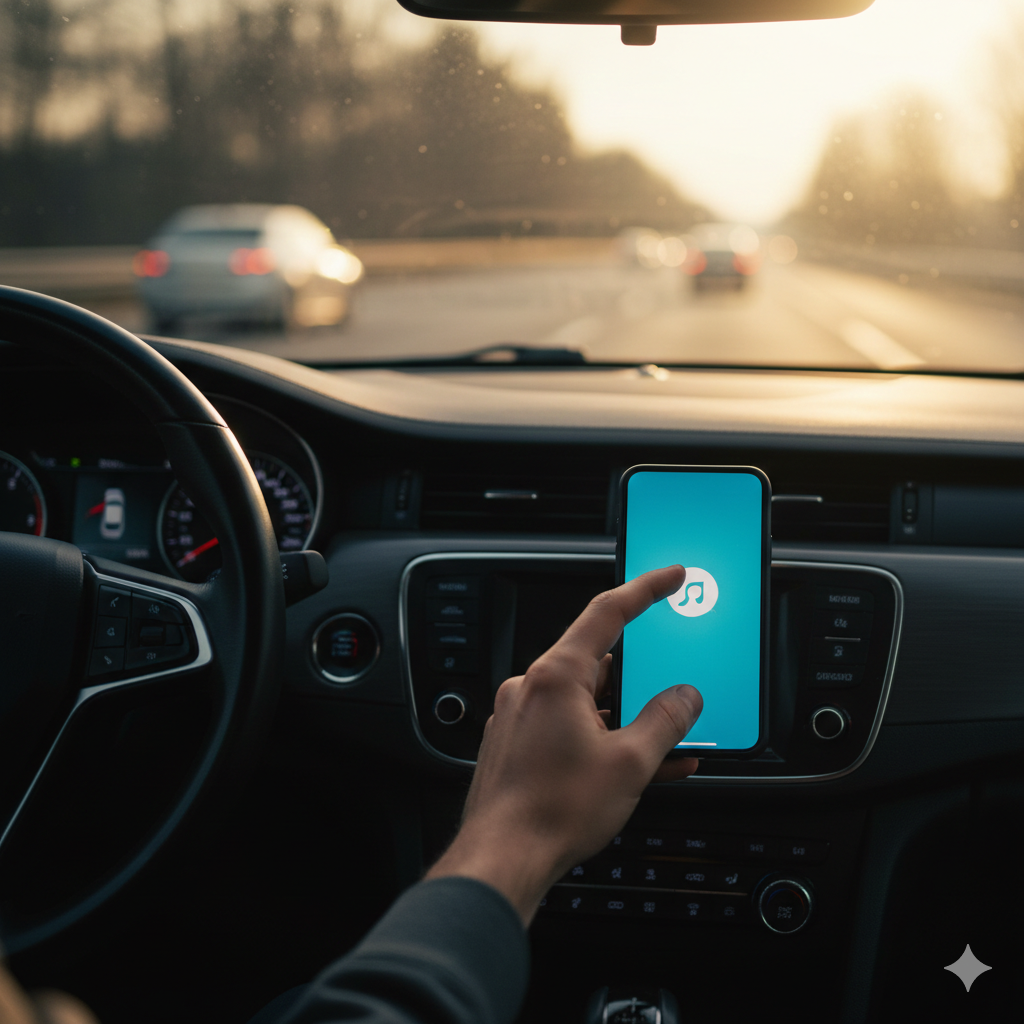
Accidents caused by drivers using phones or not paying attention remain the leading cause of pedestrian and cyclist injuries. A quick glance at a notification. Adjusting the radio. Reaching for coffee. Two seconds of distraction at 30 mph means traveling 88 feet completely blind. In that distance, a pedestrian can step off a curb, a cyclist can enter an intersection, or traffic can come to a complete stop.
88 feet. That's the distance you travel in just two seconds at 30 mph—enough space for a pedestrian to enter a crosswalk or a cyclist to move into your path. This isn't theoretical. It happens every single day in Athens.
Were You Injured in a Pedestrian or Cyclist Accident?
Our team has recovered millions for injured pedestrians and cyclists across Georgia. We know the law, we know Athens, and we know how to hold negligent parties accountable.
Get Your Free Case ReviewLegal Responsibilities of Drivers, Cyclists and Pedestrians
Everyone on the road has a duty of care. Georgia law establishes clear responsibilities for drivers, cyclists, and pedestrians. Understanding these duties clarifies liability when accidents occur—and determines who pays for medical bills, lost wages, and pain and suffering.
Drivers Must
- Yield to pedestrians at crosswalks—marked or unmarked
- Signal turns and lane changes in advance
- Check blind spots before changing lanes or opening doors
- Maintain safe following distance from cyclists
- Exercise extreme caution in school zones and residential areas
Cyclists and Scooter Riders Must
- Follow traffic signals and stop signs
- Ride in designated lanes when available
- Signal turns and stops clearly
- Use lights and reflectors when riding at night
- Avoid riding on sidewalks where prohibited
Pedestrians Must
- Stay aware of traffic and avoid stepping into the road unexpectedly
- Use crosswalks when available
- Obey pedestrian signals
- Look both ways before crossing
- Avoid distractions like phones while crossing streets
Traffic laws reinforce these responsibilities and clarify who may be liable after an accident. When someone violates these duties and causes injury, Georgia law allows victims to seek compensation for their damages.
Steps to Take After a Shared Road Accident
If you're involved in an accident, your immediate actions can protect both your health and your legal rights. Here's what to do:
1. Prioritize Your Safety and Seek Medical Attention Immediately
Even if you feel fine, adrenaline can mask serious injuries. Get checked by medical professionals as soon as possible. Some injuries—like internal bleeding or traumatic brain injury—don't show symptoms immediately.
2. Document the Scene Thoroughly
Take photos of the accident scene, your injuries, vehicle damage, road conditions, traffic signals, and any visible hazards. Collect contact information from witnesses. Note the exact location, time, and weather conditions. Get vehicle details from all drivers involved, including insurance information.
3. Report the Incident to Local Law Enforcement
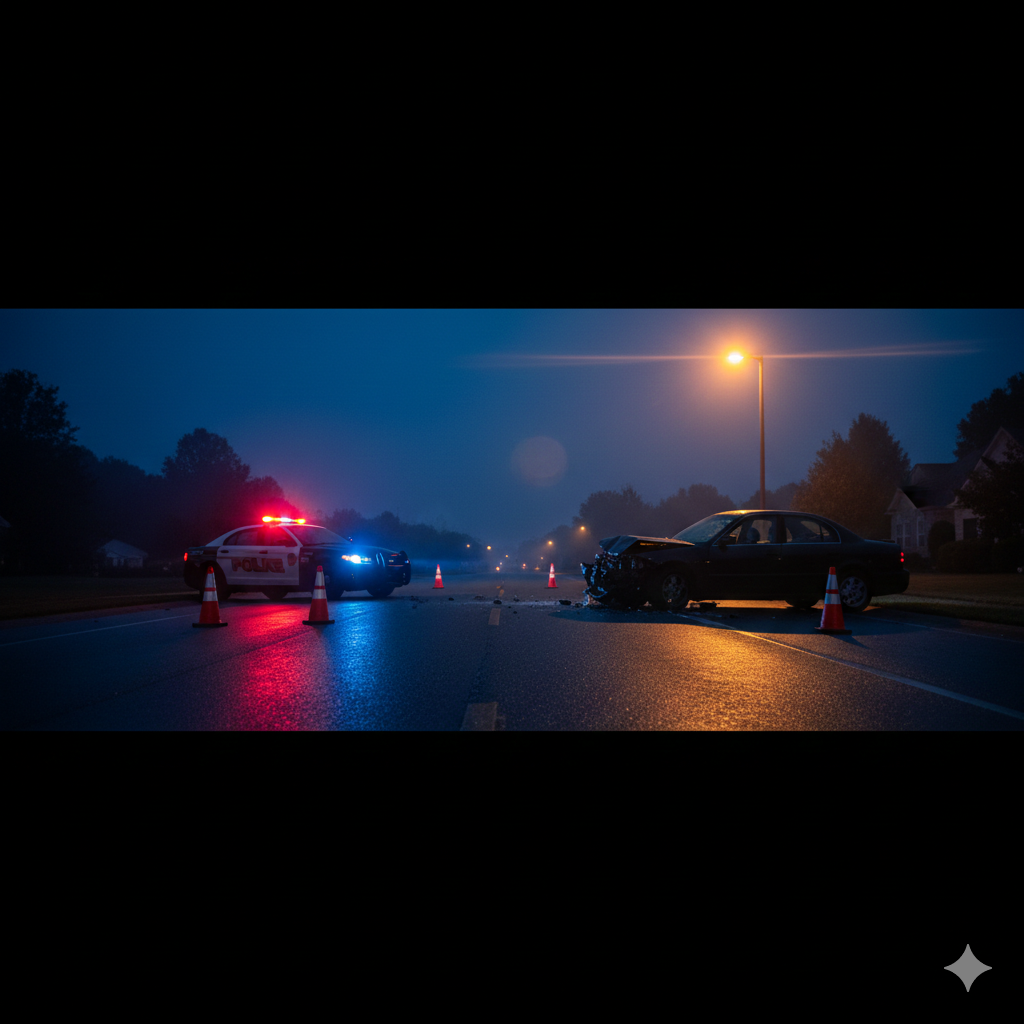
Call police to the scene and file an official report. This documentation becomes crucial evidence if you need to file an insurance claim or lawsuit. Don't leave without getting the police report number.
4. Consider Consulting an Attorney Familiar with Athens Car Accidents
Insurance companies prioritize their bottom line, not your recovery. An experienced attorney protects your rights, handles negotiations, and ensures you receive fair compensation. Most personal injury attorneys work on contingency—you pay nothing unless they win your case.
These actions help you safeguard your health and protect your legal rights during a chaotic and frightening time. Don't let the shock of the moment cause you to skip critical steps that could impact your recovery for years to come.
Preventing Accidents on Busy Streets
While you can't control other people's behavior, you can significantly reduce your risk by following traffic rules and using designated lanes. Wearing helmets and reflective gear improves visibility dramatically, especially during early morning and evening hours when lighting is poor.
Stay alert to drivers, cyclists, and scooter riders around you. Make eye contact with drivers before crossing. Assume vehicles don't see you until proven otherwise. Use hand signals when turning or stopping. Keep your phone in your pocket until you're safely off the road.
Consistently following these safety measures can greatly reduce your risk of accidents on shared roads. But even the most cautious pedestrian or cyclist can't prevent every accident—especially when facing a distracted or negligent driver.
If you've been injured due to someone else's negligence, don't navigate the legal system alone. The right attorney makes all the difference in both the outcome of your case and your experience throughout the process. You deserve compensation for medical bills, lost wages, and pain and suffering. Let experienced representation fight for your rights while you focus on recovery.
Injured in a Pedestrian or Bicycle Accident?
Get Your Free Consultation TodayNo fees unless we win your case. Call now for immediate assistance.