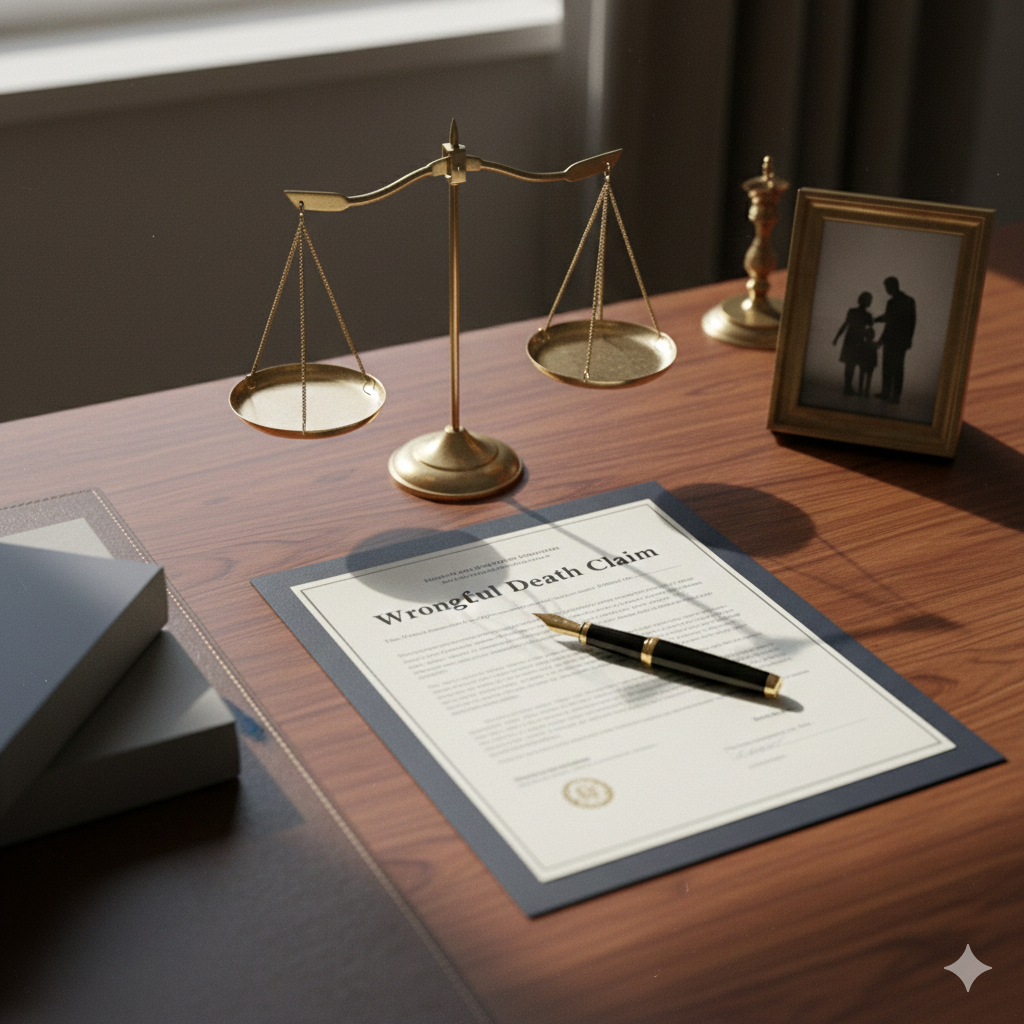
Unintentional injuries claim nearly 201,000 American lives every year—making them the fourth leading cause of death in the United States. Most result from someone else's negligence, and if that happened to you, the law entitles you to compensation. Here's the problem: insurance companies hire the best attorneys money can buy to deny your claim. Going it alone puts you at a massive disadvantage. You need an experienced personal injury lawyer in your corner—but with thousands of attorneys competing for your case, how do you choose the right one?
What Does a Personal Injury Lawyer Actually Do?
A personal injury lawyer fights to get you compensation for injuries caused by someone else's negligence. Most work on contingency—meaning they only get paid if you win. No victory, no fee.
Here's what a skilled personal injury attorney handles:
- Investigation: They determine who's at fault by analyzing accident reports, witness statements, and evidence
- Evidence gathering: They compile medical records, expert testimony, and documentation to build your case
- Negotiation: They deal with insurance adjusters who are trained to minimize payouts
- Litigation: If settlement talks fail, they file lawsuits and represent you in court
- Case management: They handle deadlines, paperwork, and legal procedures so you can focus on recovery
Do You Need a Lawyer?
Technically, no. But insurance companies count on you not hiring one. Their lawyers are experts at paying you pennies on the dollar. A personal injury attorney levels the playing field—and since most work on contingency, you risk nothing by hiring one.
7 Tips for Hiring the Best Personal Injury Lawyer
A quick Google search will return dozens of personal injury attorneys eager for your business. Here's how to separate the excellent from the mediocre.
1. Match Your Lawyer's Specialty to Your Case
Personal injury law covers everything from car accidents to medical malpractice to defective products. No single lawyer can be an expert in all of them.
If you were hurt in a car crash, find a lawyer who specializes in auto accidents. Injured on the job? You need a workers' compensation specialist. Slip and fall? Medical malpractice? Each requires different expertise.
Why this matters: A lawyer who regularly handles your type of case knows the legal nuances, common insurance tactics, and settlement ranges. They'll spot issues a generalist would miss.
2. Prioritize Experience Over Everything Else
Personal injury law is complex. An experienced lawyer knows how to navigate those complexities to maximize your settlement.
Look for a lawyer with at least five years handling cases like yours. But years alone don't tell the whole story—dig deeper. Ask about their caseload, success rate, and recent settlements.
Questions to ask during your consultation:
- How many cases like mine have you handled?
- What were the outcomes?
- What's your success rate in settlements versus trials?
- Can you provide references from past clients?
A lawyer with a poor track record isn't worth your time—no matter how convincing their sales pitch.
Ready to Work with Experienced Personal Injury Attorneys?
Our Georgia legal team has recovered millions for injury victims. We work on contingency—you don't pay unless we win.
Get Your Free Case Evaluation3. Ask Friends and Family for Referrals
Personal recommendations are gold. If someone you trust had a positive experience with a personal injury lawyer, that's a strong signal.
Your friends and family have nothing to gain by steering you wrong. They'll tell you the truth about communication, responsiveness, and results—insights you won't find in marketing materials.
If you don't have personal referrals available, don't panic. The other tips in this guide will help you find the right attorney through research and due diligence.
4. Research Their Reputation Thoroughly
Once you have a shortlist of potential lawyers, it's time to investigate their reputation.
Start with online reviews. Check Google, Yelp, and the Better Business Bureau. Law firm websites often feature testimonials, but take those with a grain of salt—some firms cherry-pick or even fabricate reviews.
Don't panic over one or two negative reviews—every lawyer has unhappy clients. But look for patterns. If multiple reviews mention poor communication or disappointing settlements, that's a red flag.
The Gold Standard: Professional Associations
Lawyers who belong to prestigious organizations like the American Bar Association or appear on SuperLawyers.com have been vetted by their peers. Membership in these associations—especially leadership positions or awards—signals exceptional skill and ethics.
5. Understand How They Charge (and What's Fair)
Most personal injury lawyers work on contingency, taking 33-40% of your settlement if you win. If you lose, you owe them nothing.
Some lawyers charge higher percentages—that's not necessarily a problem if their track record justifies it. But be extremely cautious of lawyers charging suspiciously low rates.
Here's why bargain lawyers are risky: Personal injury cases require investigation, expert witnesses, court filings, and administrative work. Quality legal representation costs money. A lawyer charging rock-bottom rates is either cutting corners or doesn't work on contingency (meaning you'll pay upfront regardless of the outcome).
Questions to ask about fees:
- What percentage do you take if we settle? If we go to trial?
- Are there any upfront costs or expenses I'm responsible for?
- What happens if we lose the case?
- How are case expenses (expert witnesses, filing fees) handled?
Get the fee structure in writing before signing anything.
6. Make Sure You Can Actually Work With Them
Your personal injury case could take months or even years to resolve. You'll be in regular contact with your lawyer during that time—so you need someone you can stand to talk to.
Pay attention to how you feel during the initial consultation. Does the lawyer listen to your concerns? Do they explain legal concepts in plain English? Do they answer your questions thoroughly, or rush you off the phone?
Recovering from an injury is stressful enough. The last thing you need is a lawyer who adds to that stress by being difficult, uncommunicative, or dismissive.
Trust your gut. If something feels off during your consultation, find someone else.
7. Judge the Office and Staff
It might seem superficial, but the state of a lawyer's office tells you a lot about how they run their practice.
A clean, organized office suggests a lawyer who's on top of things. A chaotic, cluttered workspace? That's a warning sign they might not give your case the attention it deserves.
Also pay attention to the staff. Are they professional and courteous? Or dismissive and disorganized? You'll be dealing with paralegals, assistants, and receptionists frequently—if they're rude during your first visit, that's how they'll treat you for the next year.
A lawyer is only as good as their team. If the staff seems incompetent or uninterested, find another firm.
What Types of Cases Do Personal Injury Lawyers Handle?
Before hiring a lawyer, make sure your case actually qualifies as a personal injury claim. Here are the most common types:
Motor Vehicle Accidents
This is the most common personal injury case type. If you were injured in a car, truck, or motorcycle accident—or hit as a pedestrian—you can file a claim if the other driver was negligent.
Key requirement: The accident must have been caused by someone else's negligence. If you were at fault, you have no case.
Slip and Fall Accidents
If you slip on a wet floor in a store or trip over an obstacle left in an aisle, you may have a claim—but only if you can prove the property owner knew about the hazard and did nothing to fix it or warn customers.
These cases are harder to win if the hazard was sudden (like a liquid spill that just happened). Property owners can't be held responsible for dangers they didn't know about.
Defective Products
If a defective product injured you, you can file a claim against the manufacturer. These cases typically involve design flaws or manufacturing defects that make products dangerous.
$4.9B
Settlement awarded to a family after a General Motors van exploded following an accident, killing all passengers
— Defective product case, 1999
Dog Bite Injuries
If someone else's dog attacks and injures you, you can file a claim—but you must prove the owner knew the dog was dangerous and failed to control it or warn others.
Important exception: These cases are harder to win if the attack happened on the dog owner's property. Most states protect property owners in these situations, and you could face trespassing charges.
Medical Malpractice
Medical errors kill more than 251,000 Americans every year—making medical malpractice the third leading cause of death in the United States.
You can file a claim if a doctor or hospital injured you through negligence. However, you must prove the healthcare provider deviated from the accepted standard of care and that this deviation directly caused your injury.
These cases are complex and almost always require testimony from medical experts.
Not Sure if Your Injury Qualifies for a Claim?
Our compassionate legal team will review your case for free and tell you exactly what compensation you're entitled to. Free, confidential consultation.
Speak with a Personal Injury AttorneyFinding the Right Lawyer Changes Everything
The difference between a mediocre personal injury lawyer and an exceptional one can mean tens of thousands of dollars—or more—in your settlement.
Use these seven tips to find an attorney who specializes in your type of case, has a proven track record, charges fair rates, and treats you with respect. Check their reputation thoroughly, ask the right questions, and trust your instincts.
Most importantly, don't wait. Personal injury claims have strict deadlines called statutes of limitations. Miss the deadline, and you lose your right to compensation—no matter how strong your case.
Ready to Get the Compensation You Deserve?
Get Your Free Case EvaluationNo obligation. No upfront costs. We don't get paid unless you win.